EN ISO 13688 : 2013EN ISO 11612:2015 EN ISO 14116:2008 EN ISO 11611:2015IEC 61482-2:2009EN 13034:2005+A1:2009EN 1149-5:2008
Protective clothing – General requirements
REPLACES THE STANDARD IN 340
- Specifies general performance requirements:
- Ergonomics
- Safety
- Size designation
- Aging
- Compatibility of clothing worn in ensembles or with other PPE
- Marking
- Information provided by the manufacturer (leaflet and sticker)
- Never used alone
- Does not qualify as protection
Protective clothing against heat and flames
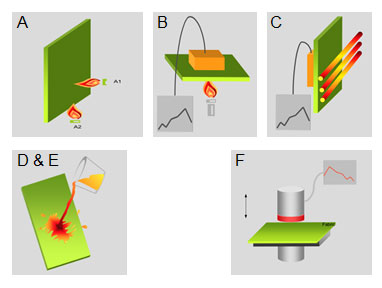
- Clothing with limited flame spread properties where the wearer may be exposed to heat emitted by: radiation, convection, contact or molten metal projection.
- Performance Coding:
- A: Limited flame spread
- B: Convective heat
- C: Radiant heat
- D : Projections of molten aluminum
- E : Projections of molten iron
- F : Contact heat
⚠ Markings shall be consistent with the standard
Limited flame spread clothing
- Clothing designed to protect against occasional and short duration contact with small flames in conditions that do not present a significant thermal hazard and in the absence of other types of heat.
- Performance Coding
- Limited flame spread index (1 to 3)
- Durability index = number of washes
- Type of washing: H: domestic washing, I: industrial washing, C: dry cleaning
- Washing temperature
EN ISO 14116:2008 – 3/25H/60: Index 3 / 25 domestic washes at 60°C
EN ISO 14116:2008 – 3/50I/75: Index 3 / 50 industrial washes at 75°C
Protective clothing used during welding & related techniques
- Clothing designed to protect against :
- small splashes of molten metal,
- Short-term contact with flame,
- Radiant heat from the arc or molten metal projection
- Accidental and short duration contact with a live part of a welding unit (100V max)
- Performance coding in the form :
- A: limited flame spread
- Class 1: low risk
- Class 2: higher risks
- Choice of class according to :
- the welding technique used
- Conditions and environment

Protective clothing against the thermal hazards of an electric arc
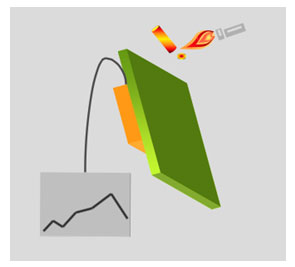
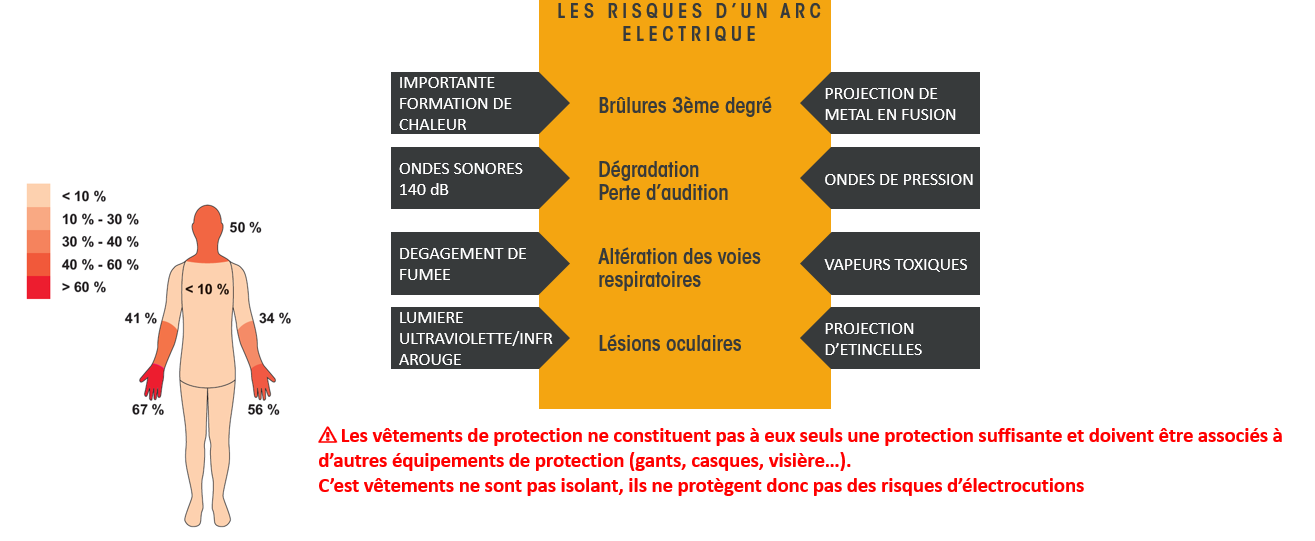
- Clothing designed to protect against the thermal risks of an electric arc during live work.
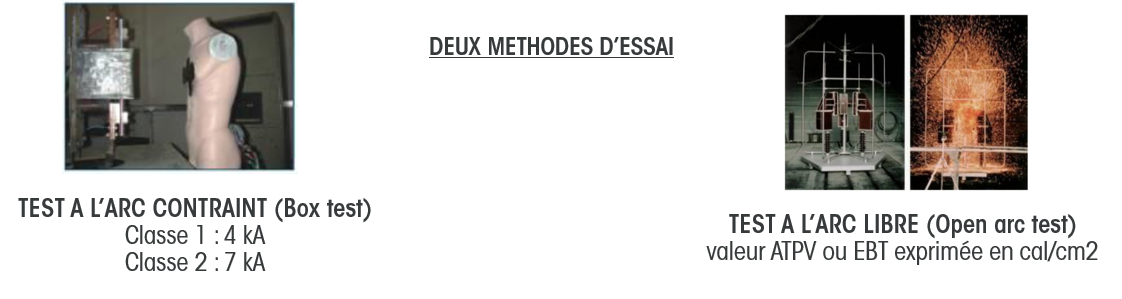
- The ATPV value represents the maximum thermal energy that can be sustained by the garment before the user suffers second degree burns.
- The EBT value represents the highest value of energy exposure that a fabric can withstand before showing signs of failure.
Protective clothing against liquid chemicals
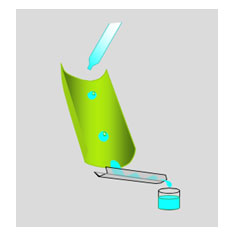
- These protective garments are designed for use where there is likely to be exposure to light sprays or splashes of liquid chemicals, against which a total barrier is not required.
- Two sub-classifications:
- Type 6 (whole body) Ex. Suit or inseparable set Jacket & Pants
- PB 6 (a part of the body) Ex. Separable jacket or pants.
- 4 types of chemicals tested – Repulsion & penetration
- Sulfuric Acid 30
- Sodium hydroxide (Caustic soda) 10
- Butanol-1 (Alcohol)
- O-Xylene (Hydrocarbon)
⚠ A water-repellent treatment requires re-impregnation by a professional launderer with each wash
Electrostatic discharge protection clothing
- Clothing whose fabrics and design, alongside a grounding system, avoids inflammatory discharges in explosive atmospheres.
- Electrostatic properties achieved by treatment or addition of conductive fibres (stainless steel, carbon etc.)
- EN ISO 20345:2004 standard A antistatic footwear
- Keep garment in contact with skin – Collar/cuffs or a grounding band.
- No badges
⚠ These requirements may not be sufficient in some atmospheres rich oxygen-rich atmospheres or in certain ATEX gas/dust areas.
This standard is not applicable for voltage protection.